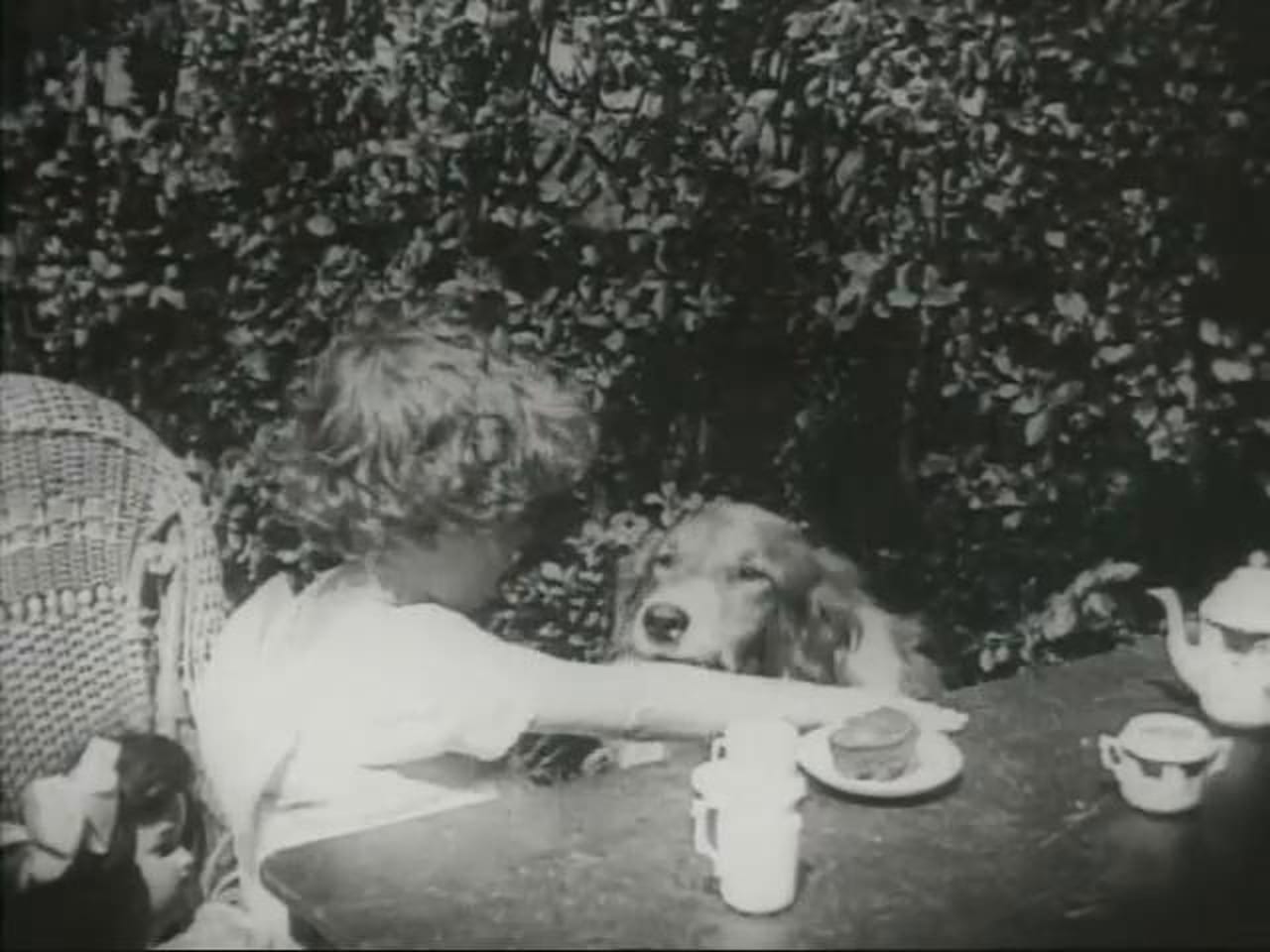
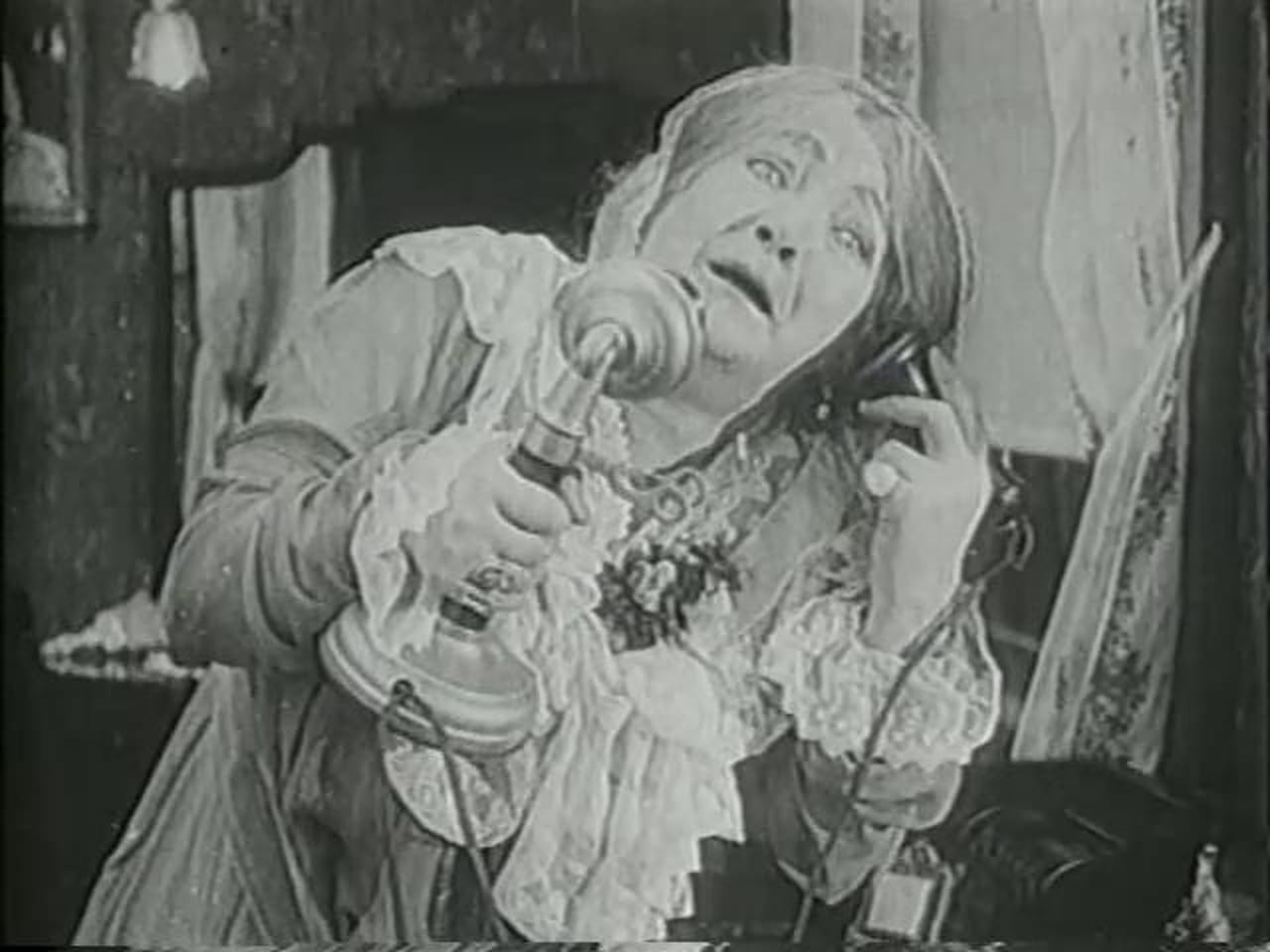
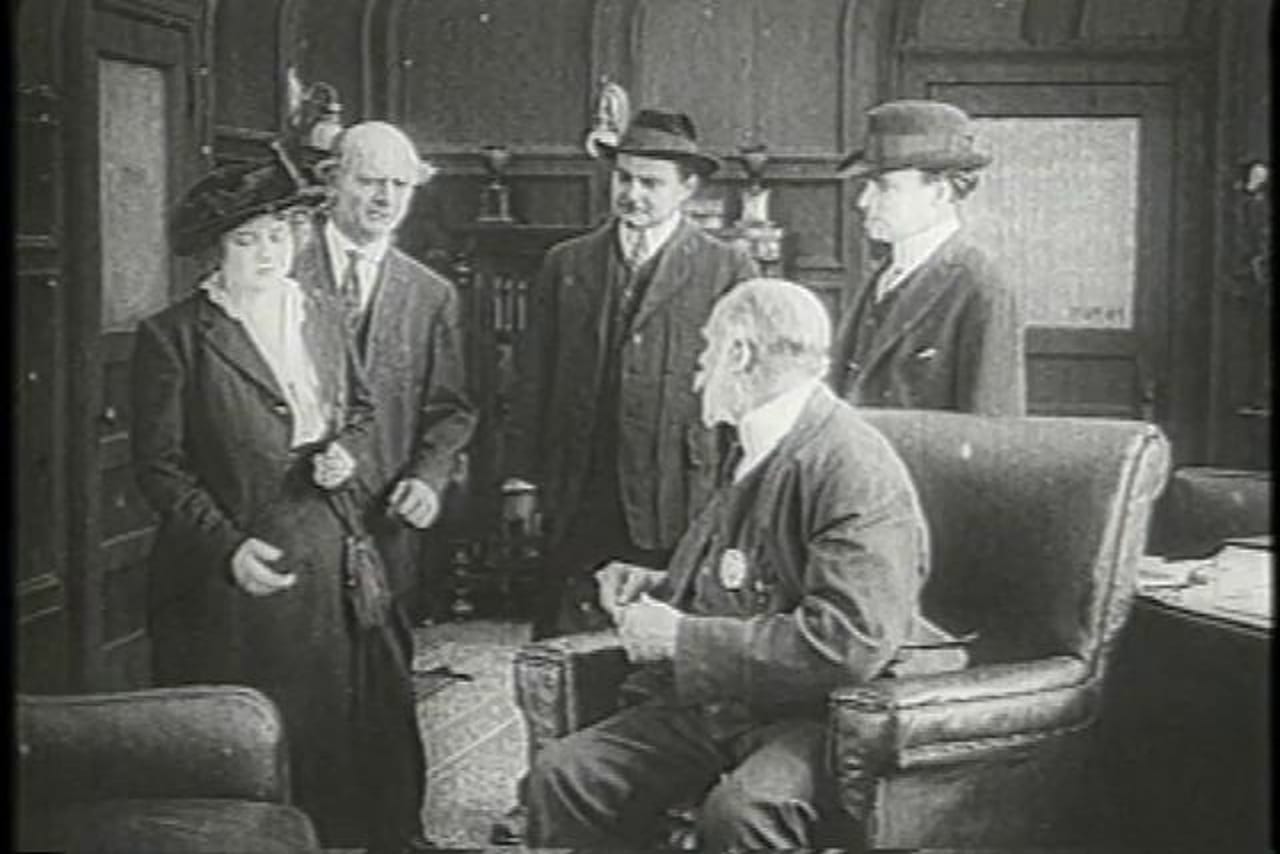
“The big feature of this two-reel picture is not the story, but the incidents and especially the work of Shep, a collie, that acts in an astonishingly intelligent way and is the center of both excitement and pathos. He is the means of bringing the rescue to the Kidlet, shut up in a burning house—very well handled scenes. It is the picture in which Shep jumps out of the second story window into a fire net. The best scenes in the picture are worthy of a better story; but the offering is one that will make an especially strong appeal to all kinds of audiences. The direction is by John Harvey.”
REVIEW by Louis Reeves Harrison, The Moving Picture World, December 26, 1914:
“There is a story involving a dauntless mayor threatened by the political boss if he does not sign a graft franchise. It is told as gravely as if the main issue was that of individual principle in heroic resistance to organize political corruption, such has been the theme of many a photoplay, but the real story is that of Baby Helen and Shep, and these two present a spectacle of intelligent performance that has a charm lacking in the ‘acting’ of natural human beings. The baby girl does her part with more spontaneity than usual, that is, without obvious prompting, and from all appearances, she is far from being a nervous child. Shep cannot help showing that he is responding to instructions—all dogs do that—they have not learned to pretend to more than a very limited degree. Shep does well, nevertheless, playing his part with most intelligence in the trying scenes.
“The mayor refuses to put a signature upon a grant, made by aldermanic crooks, and the political gang menaces him with vengeance. That vengeance takes a form that any politician familiar with the criminal code would hesitate to use. Baby Helen wanders from her natural protectors in chase of a white rabbit, and loses her way. She is in the neighborhood of the political leader’s house and is found by his maid at a moment when there is conference in session. When the baby is brought in and recognized as the mayor’s child, it is agreed to hold her as hostage until the mayor, under pressure, is brought to grant the desired franchise. Inasmuch as such a threat would involve the grafters more seriously than merely stealing the people’s property, it is hard to swallow.
“A political leader hears that his own house is on fire while he is visiting the mayor and both speed to the rescue—that ends their performance. Shep, meanwhile, like a good motion picture dog, has traced Helen to the political leader’s house, and, noticing, as others do not, that it is on fire, he speeds to the engine house and convinces the fireman in dog language that their services are needed. He outstrips the engines, reaches the burning house, climbs a ladder to the roof, makes his way to baby Helen’s room, and barks out of the window his instructions for firemen to put up a rescue ladder. They do so, and one gallant fireman carries baby Helen down in safety. But what of poor Shep? Will he be destroyed in the flames? The firemen spread a net, and Shep barks that he understands. He balances on the window ledge amid intense excitement, and leaps to safety. What became of the blackmailing, kidnaping gang of politicians is left to the imagination. They are probably with us yet.”
REVIEW by Elizabeth Lonergan, The New York Star, December 23, 1914: This review is reprinted in the narrative section of the present work.